
How to Travel from Singapore to Kuala Lumpur by Bus: An Honest Review
Flying isn’t the only option. Here’s an honest, firsthand look at traveling from Singapore to Kuala Lumpur by bus, from onboard comfort to border crossings.
SINGAPOREASIA TRAVEL
Flying between Singapore and Kuala Lumpur is quick on paper, but the full experience often tells a different story. Airport transfers, early check-ins, security lines, and flight delays can easily stretch the day. On my August 2025 trip, I decided to try something different and traveled by bus instead.
I booked a ticket with Transtar Travel, one of several companies operating routes between Singapore and Kuala Lumpur. What I found was a surprisingly comfortable, well-organized journey that felt more relaxed than flying and gave me a chance to take in the scenery along the way.
Travel time: Typically 5-5.5 hours (can be longer with traffic, border control, or weather delays)
Price range: S$30–S$80 ($23-$60 USD) depending on coach type and amenities
Departure points: Multiple locations in Singapore depending on provider
Arrival points: Various locations in Kuala Lumpur city center
Border crossings: Two stops with electronic passport control; lines are usually short outside peak periods
Food & drinks: Often included on higher-tier coaches
Stops: Express routes typically include one mid-journey break
At a Glance: What to Expect
Choosing the Right Bus & Seat
Several companies operate daily coach services between Singapore and Kuala Lumpur, with prices varying by route, comfort level, and onboard amenities. For this trip, I chose Transtar’s express route and their top-tier Solitaire coach. Transtar offers multiple pickup points around Singapore, along with convenient city-center drop-off locations in Kuala Lumpur. The express route meant there were no additional stops along the way.
My ticket cost S$80 (about $60), which is on the higher end for this journey. Standard coaches on the same route were available through Transtar for around S$30 (about $23), and other providers offered even more budget-friendly options.
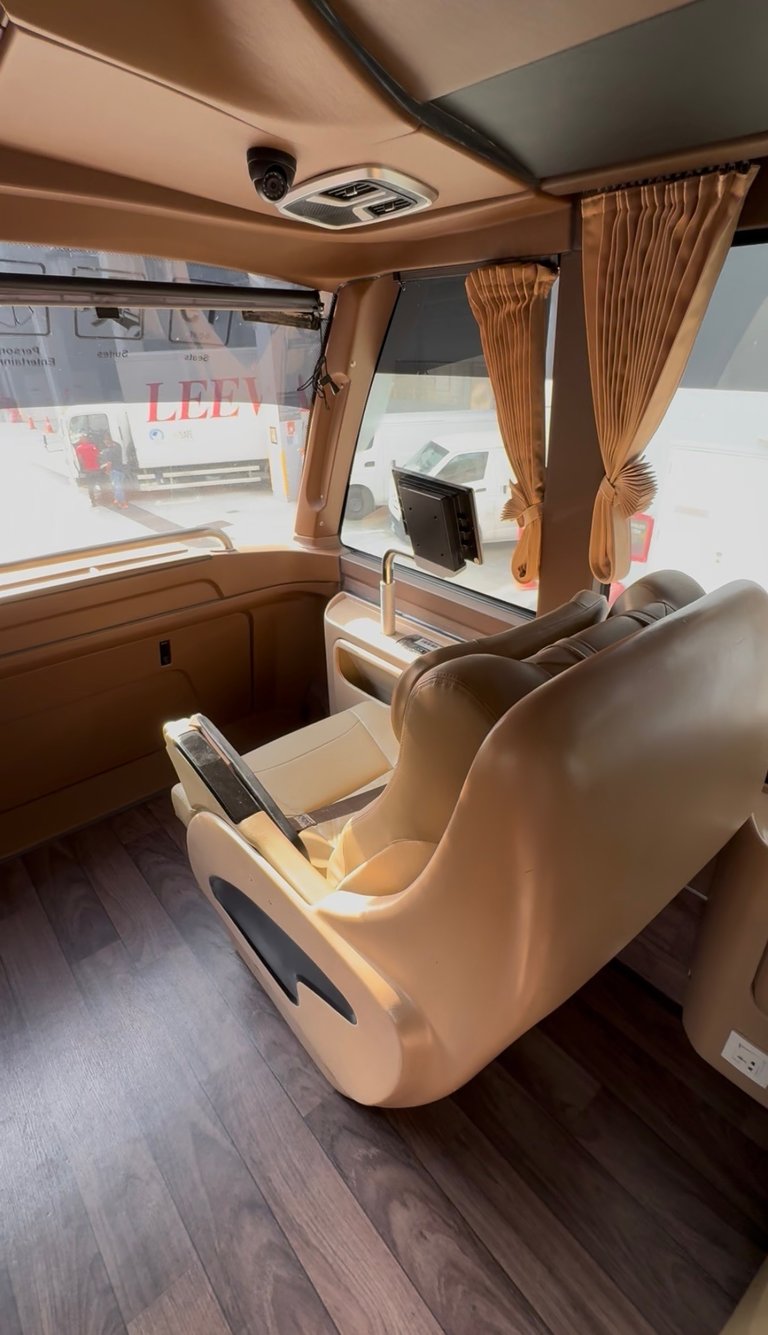
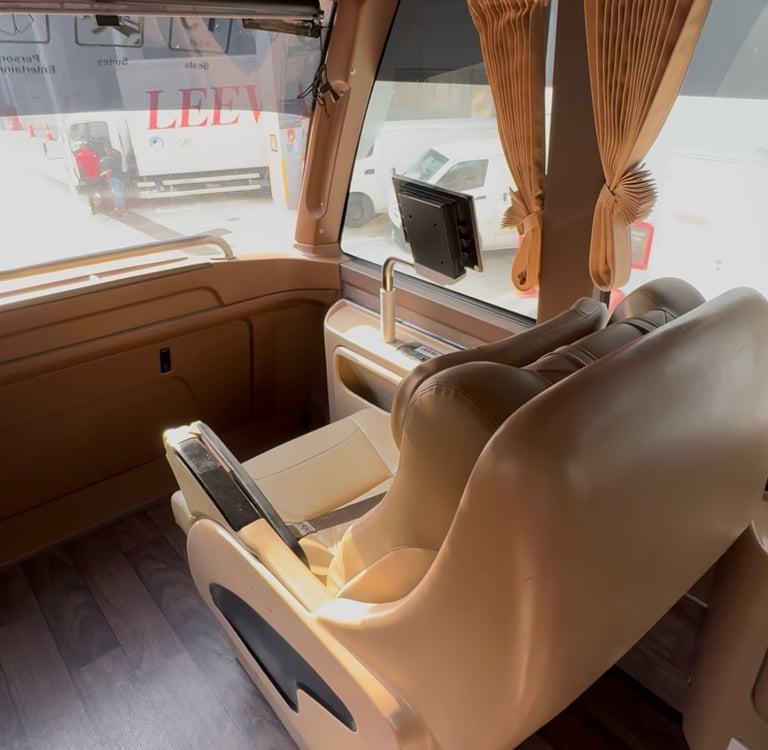
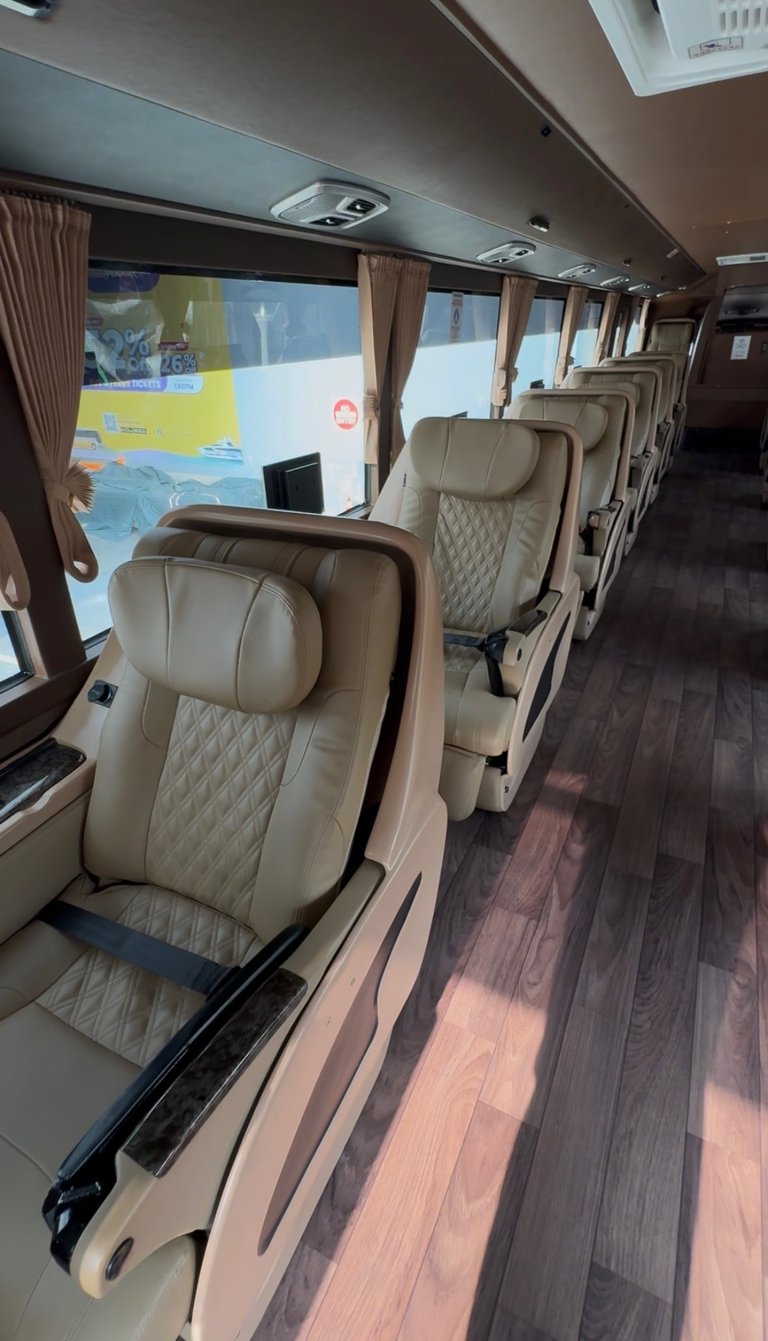
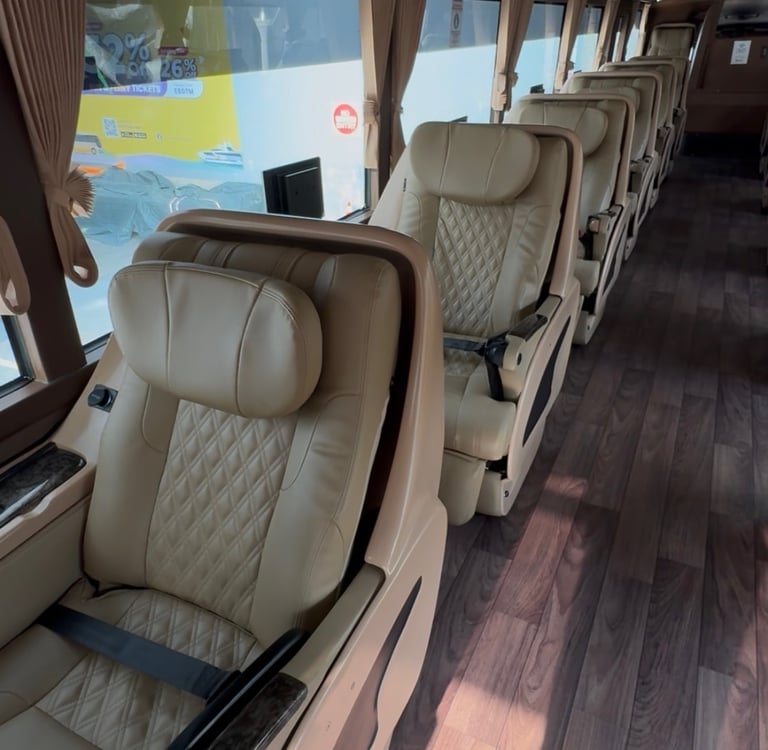
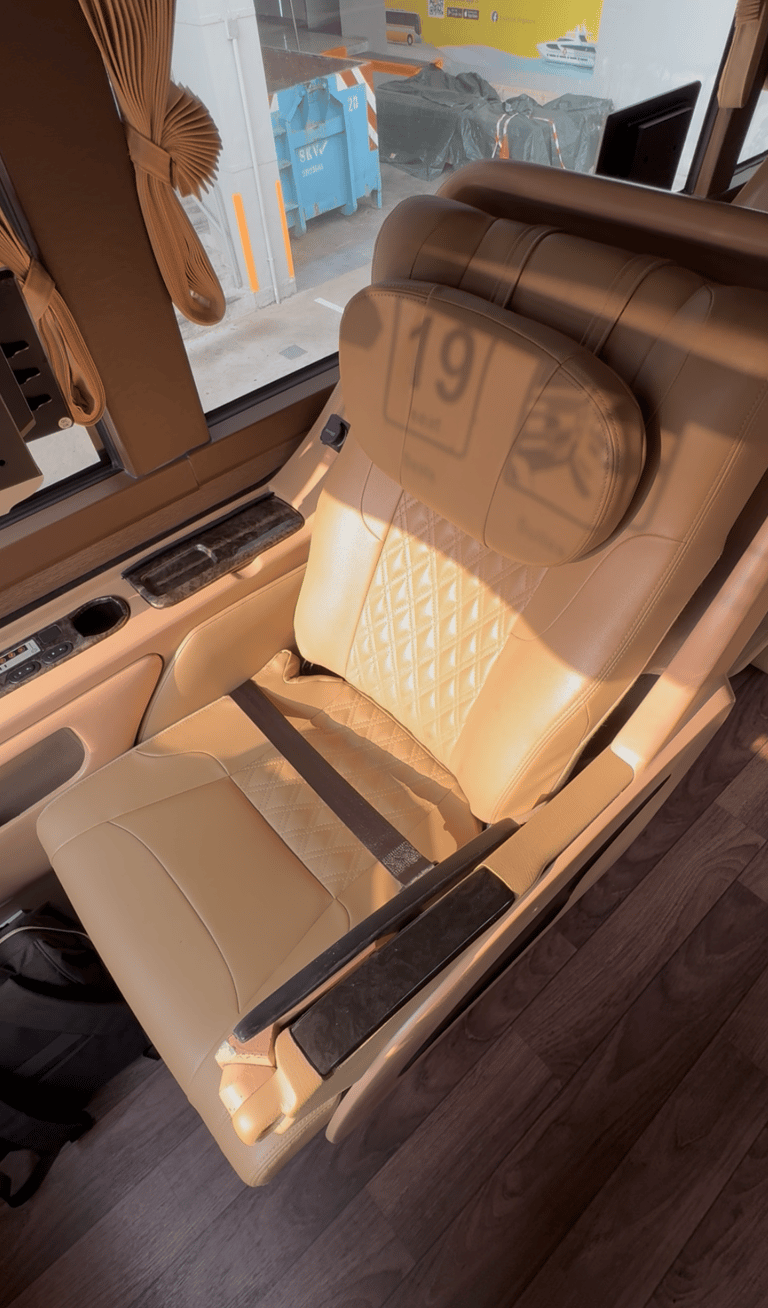
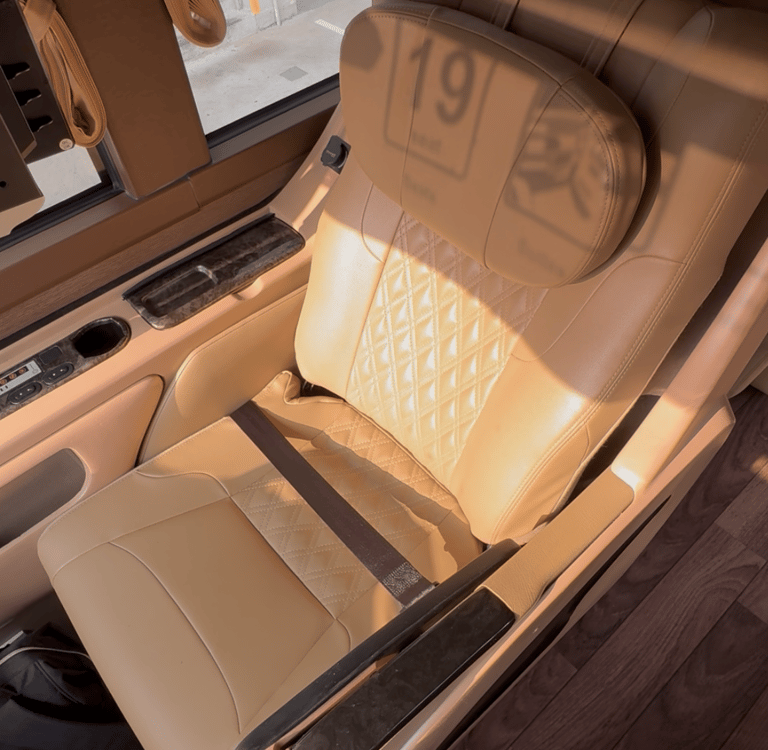
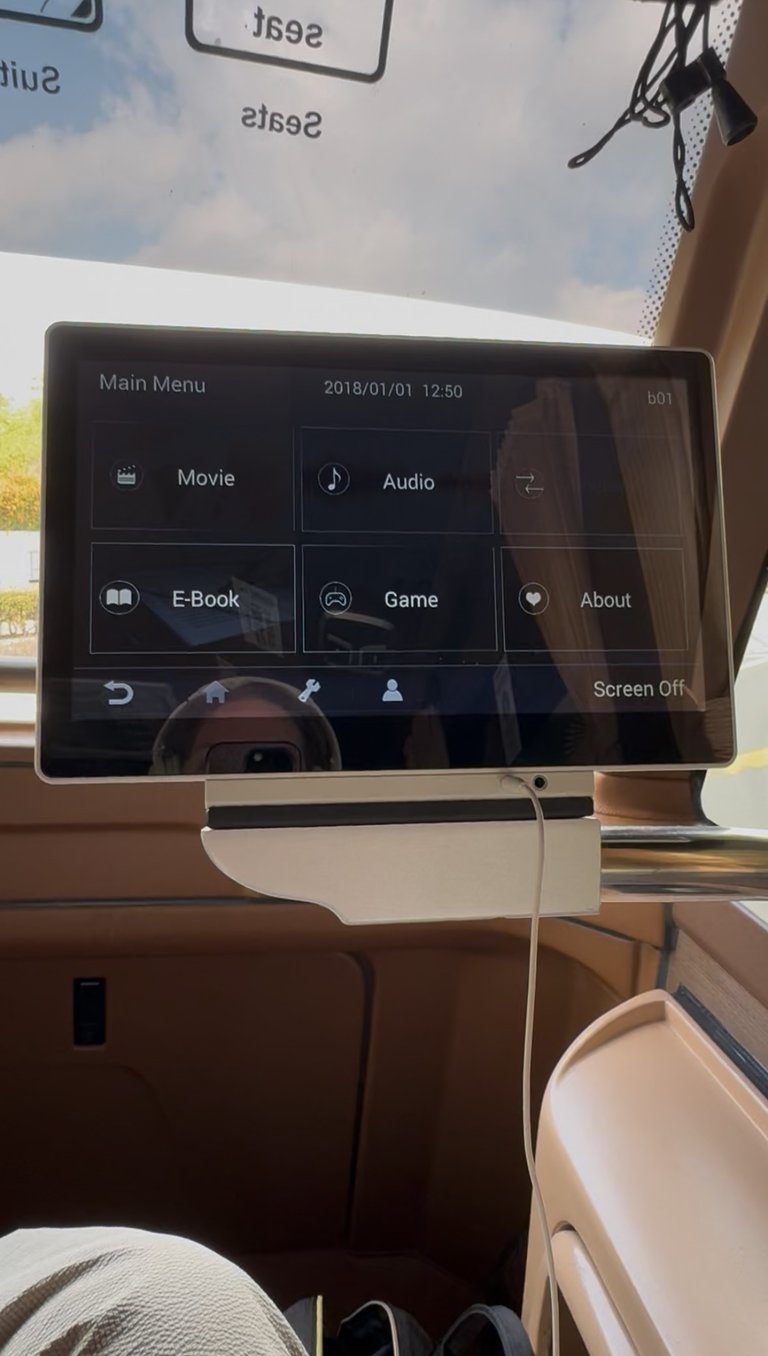
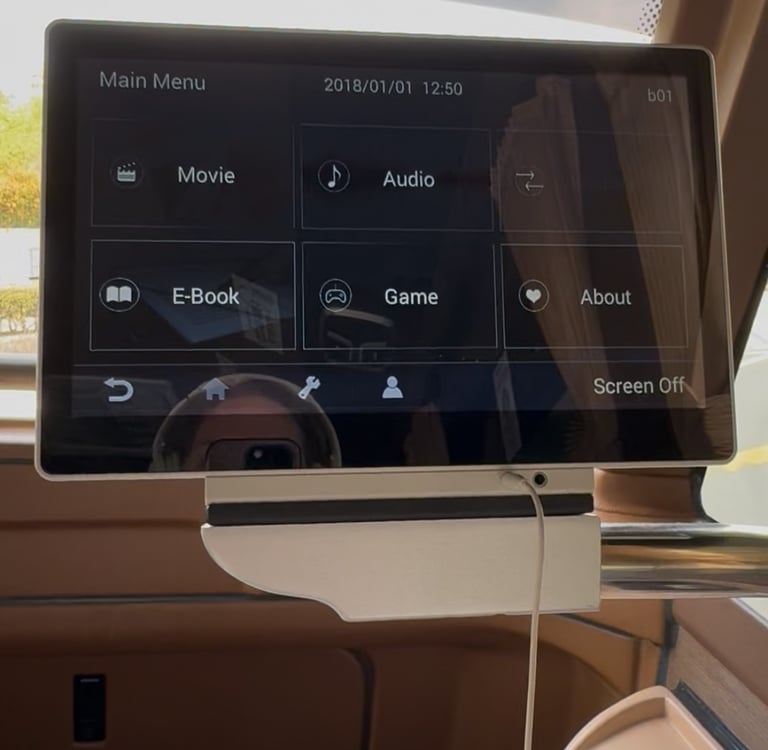
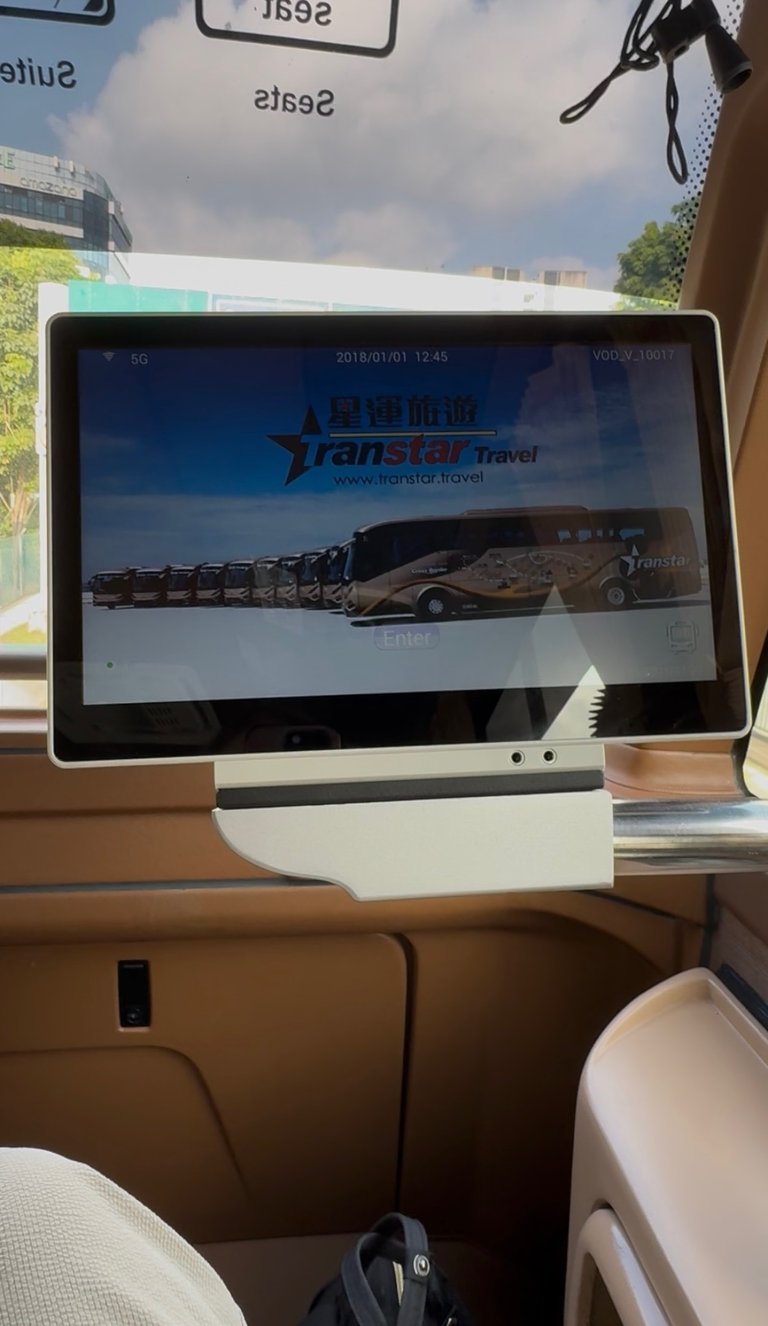
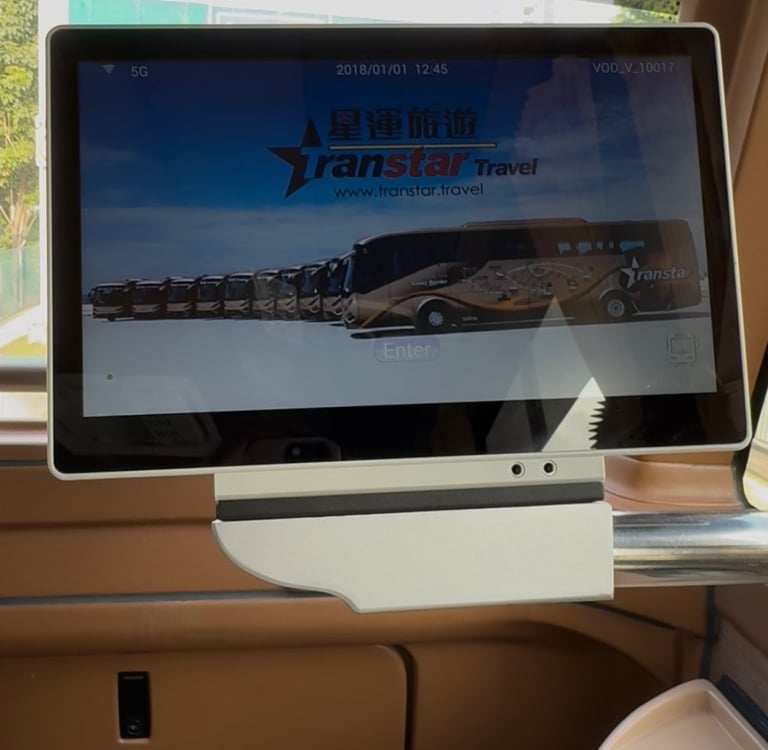
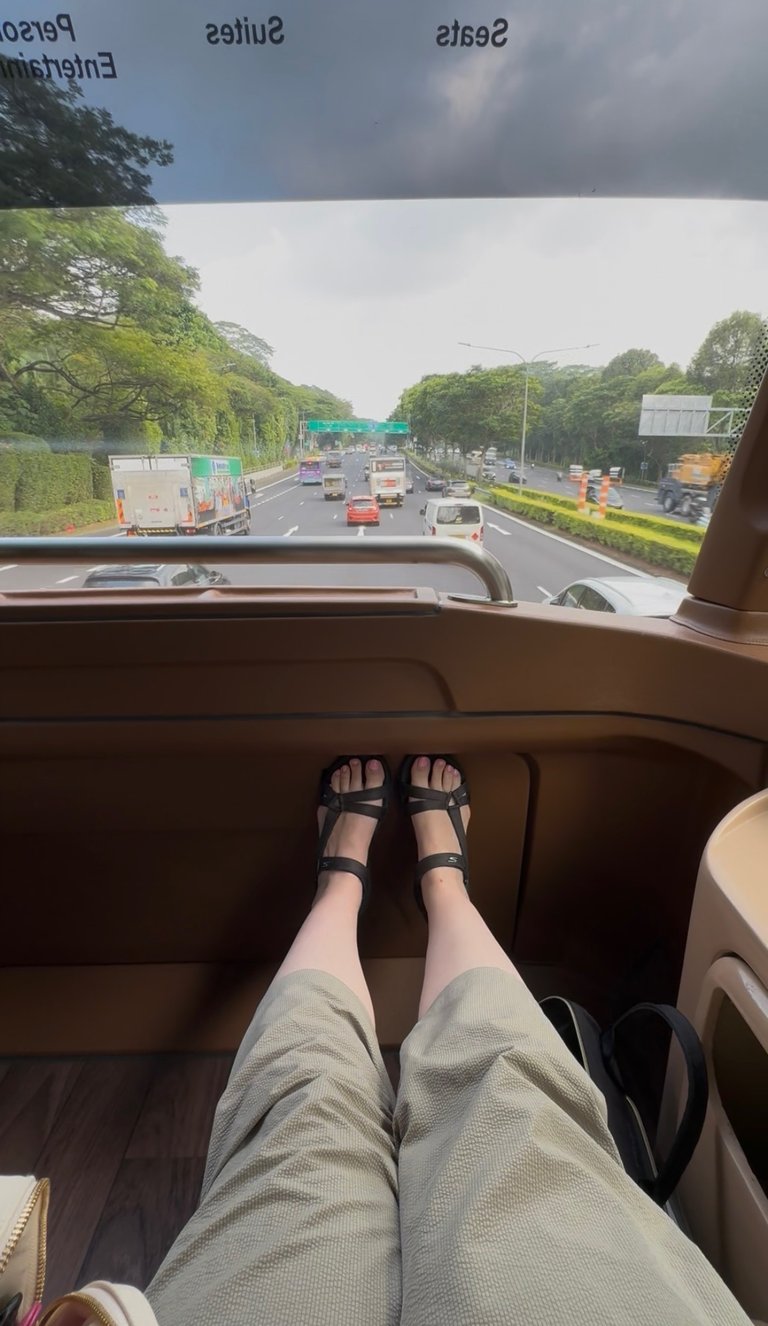
The Solitaire coach is a double-decker bus with single-row seating designed to feel similar to a business class airline seat. Transtar refers to these as “cocoon massage seats,” which feature generous recline, footrests, massage settings, personal entertainment screens, Wi-Fi, tray tables, power outlets, and ample legroom.
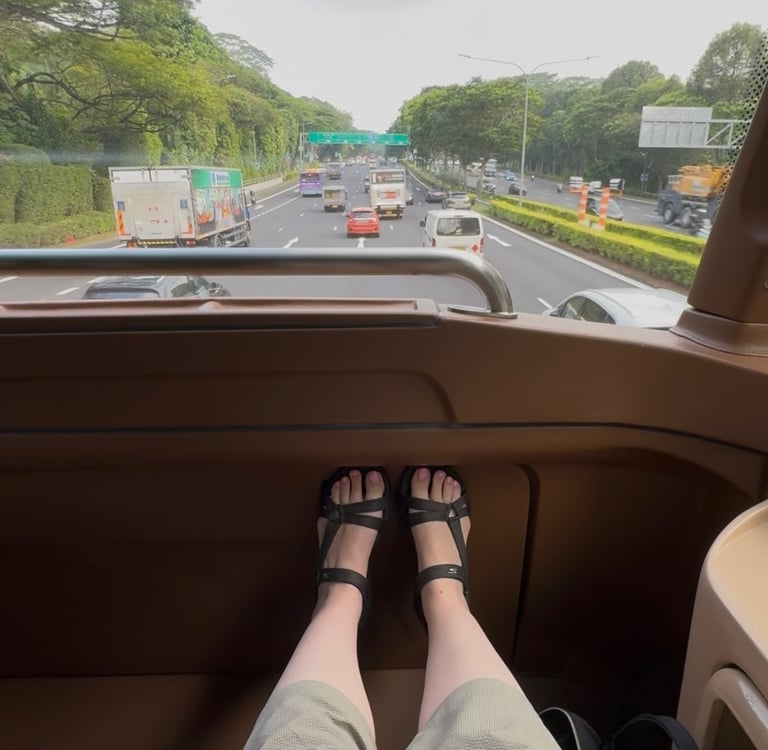
I chose the front seat for an unobstructed view of the road and scenery. While the seat showed some signs of wear from regular use, it was still comfortable and fully functional throughout the journey.
Booking & Boarding
I booked my ticket online directly through Transtar’s website, which was straightforward and easy to navigate. Seat selection was included in the booking process, allowing me to choose my preferred seat in advance.
The day before departure, I received a WhatsApp message confirming my pickup location and time. Transtar also used this message to remind passengers about required travel documentation, including Malaysia’s Digital Arrival Card.
My pickup point was directly outside the Lavender MRT station. Boarding was slightly different than expected. I first boarded a standard charter bus with no assigned seating. Transtar had shared the bus number in advance, and the driver immediately confirmed he was waiting for me.
After a short drive, we arrived at another parking area where passengers transferred to the double-decker Solitaire coach. From this point on, seating was assigned based on selections made during booking. Large suitcases were stored in the undercarriage, and there was plenty of space at each seat for a carry-on backpack or bag. Once everyone was settled, we set off toward the border.
Crossing the Border
Traffic slowed us down on the way to the Singapore border, but the immigration process itself was quick with no lines at passport control. We exited the bus with our passports, passed through electronic passport control, and returned to the bus in under 10 minutes.
After crossing the bridge into Malaysia, we stopped again for immigration and customs. This time, passengers were asked to bring both passports and luggage inside. Passports were scanned electronically, and luggage went through a standard security scanner. No items needed to be removed from bags, and the entire process took less than 20 minutes.
Important note: Malaysia requires all foreign nationals to complete a Malaysia Digital Arrival Card up to three days before arrival. The form is completed online, and Transtar reminded me to submit it ahead of time.
Onboard Experience & Service
Shortly after crossing into Malaysia, the bus made a brief stop to pick up the onboard cabin attendant. From that point on, service felt polished and attentive.
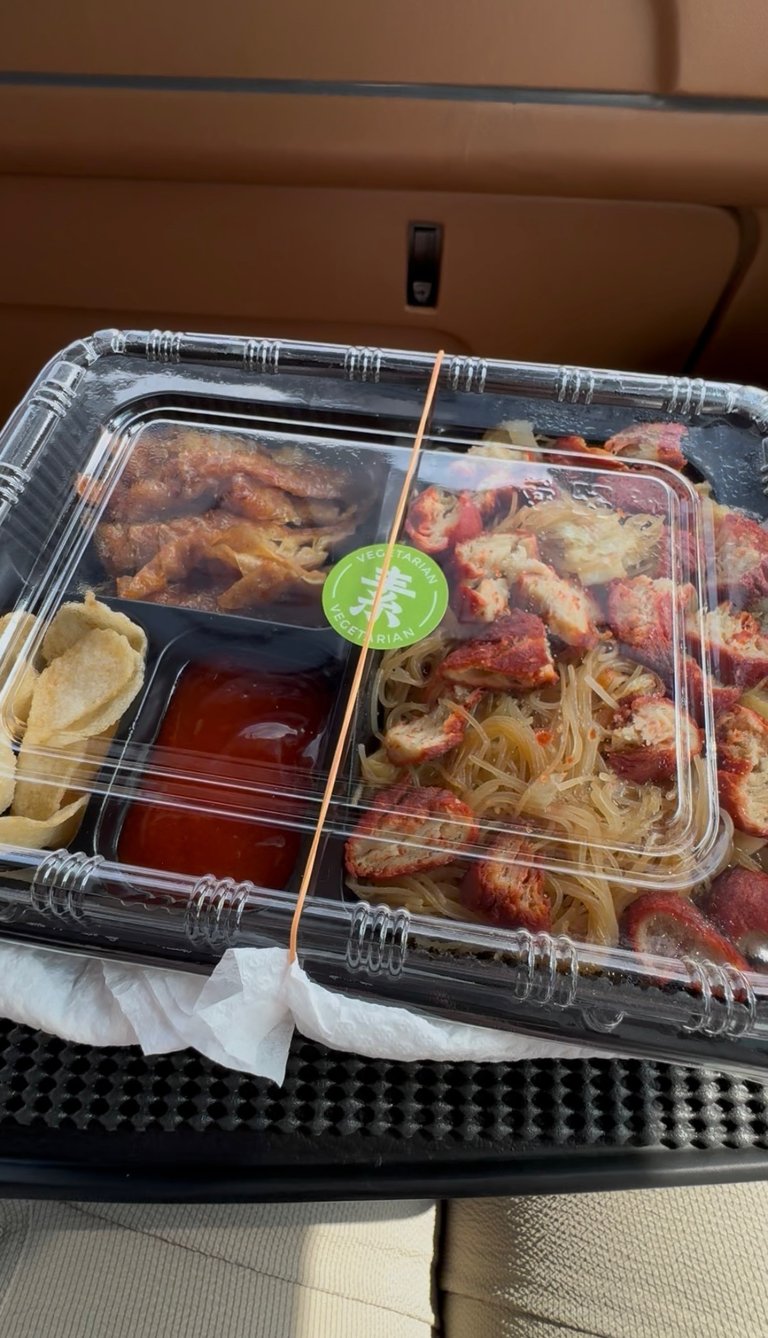
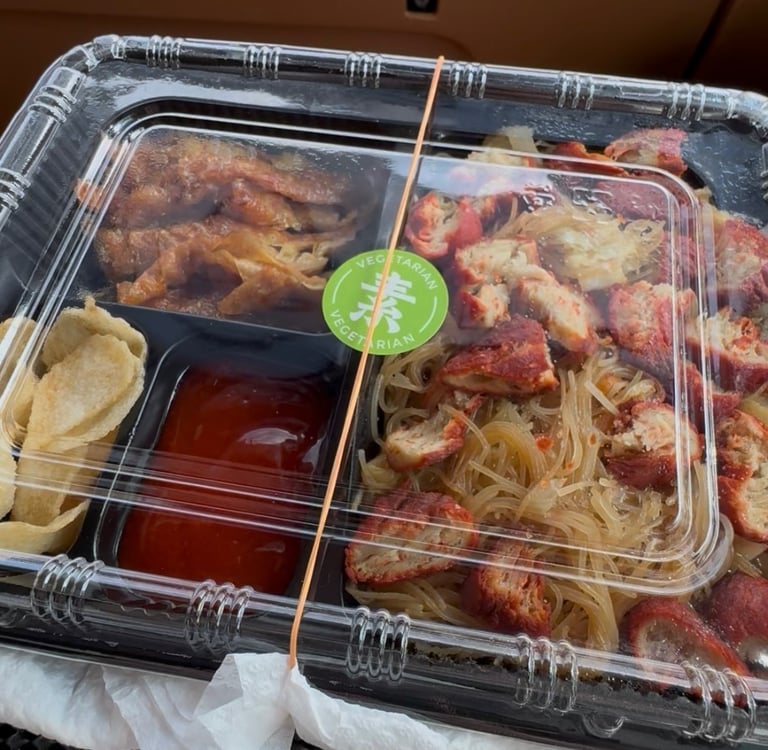
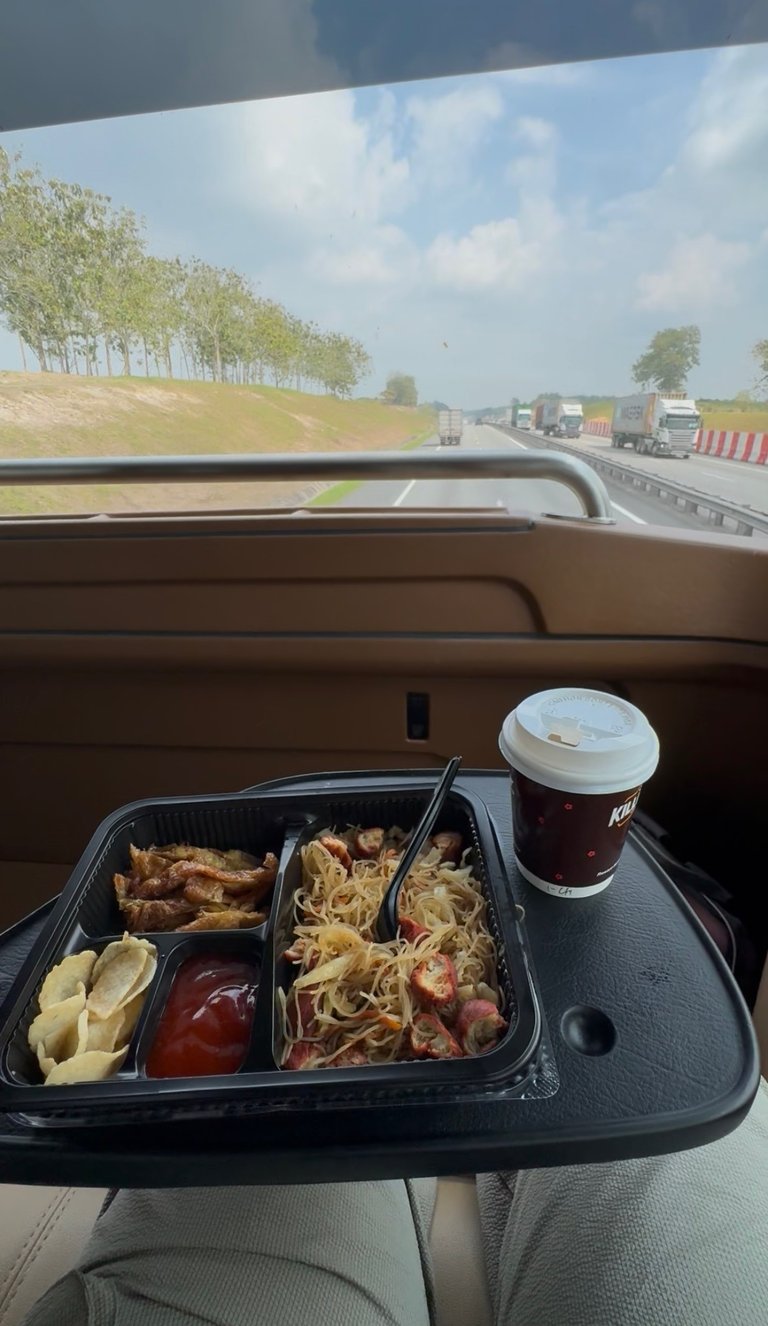
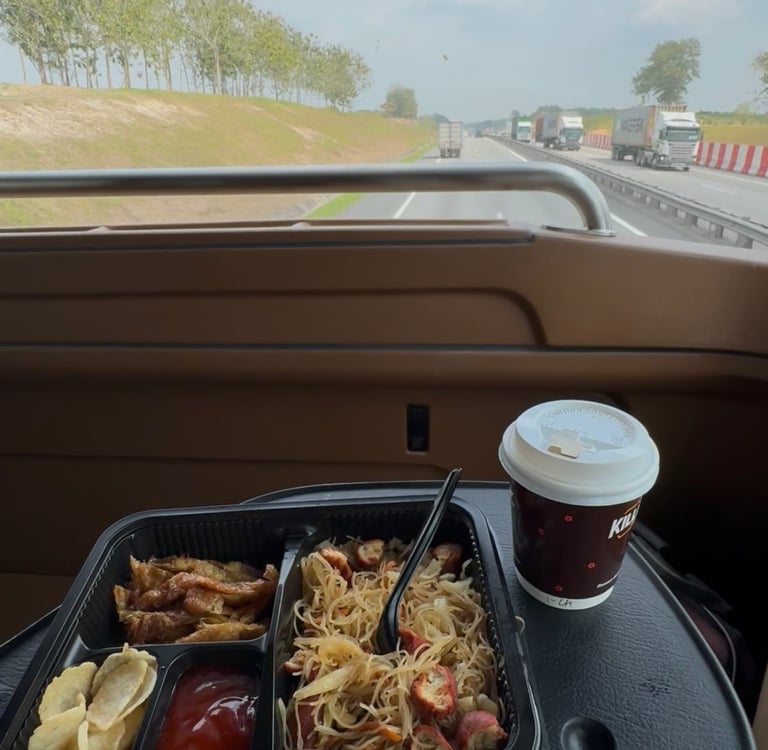
We were immediately offered bottled water and blankets, followed by a choice of hot beverages, including coffee, Chinese tea, or English tea. A hot meal was served not long after. I had pre-requested a vegetarian option since I do not eat shellfish and was unsure of the menu. My meal was a stir-fried noodle dish that was filling and satisfying.
The onboard entertainment system included movies and television shows, mostly in Chinese with subtitle options. I ended up watching content I had downloaded on my iPad instead.
The Ride to Kuala Lumpur
One thing to note is that there is no toilet onboard the bus. About halfway through the journey, we stopped at a large highway rest area for a 30-minute break. The facilities were clean and well-maintained, with restrooms, a food court, and small shops.
After returning to the bus, the attendant offered another round of hot beverages before we continued on. The remainder of the drive was smooth and comfortable, with a well-regulated cabin temperature and minimal noise.
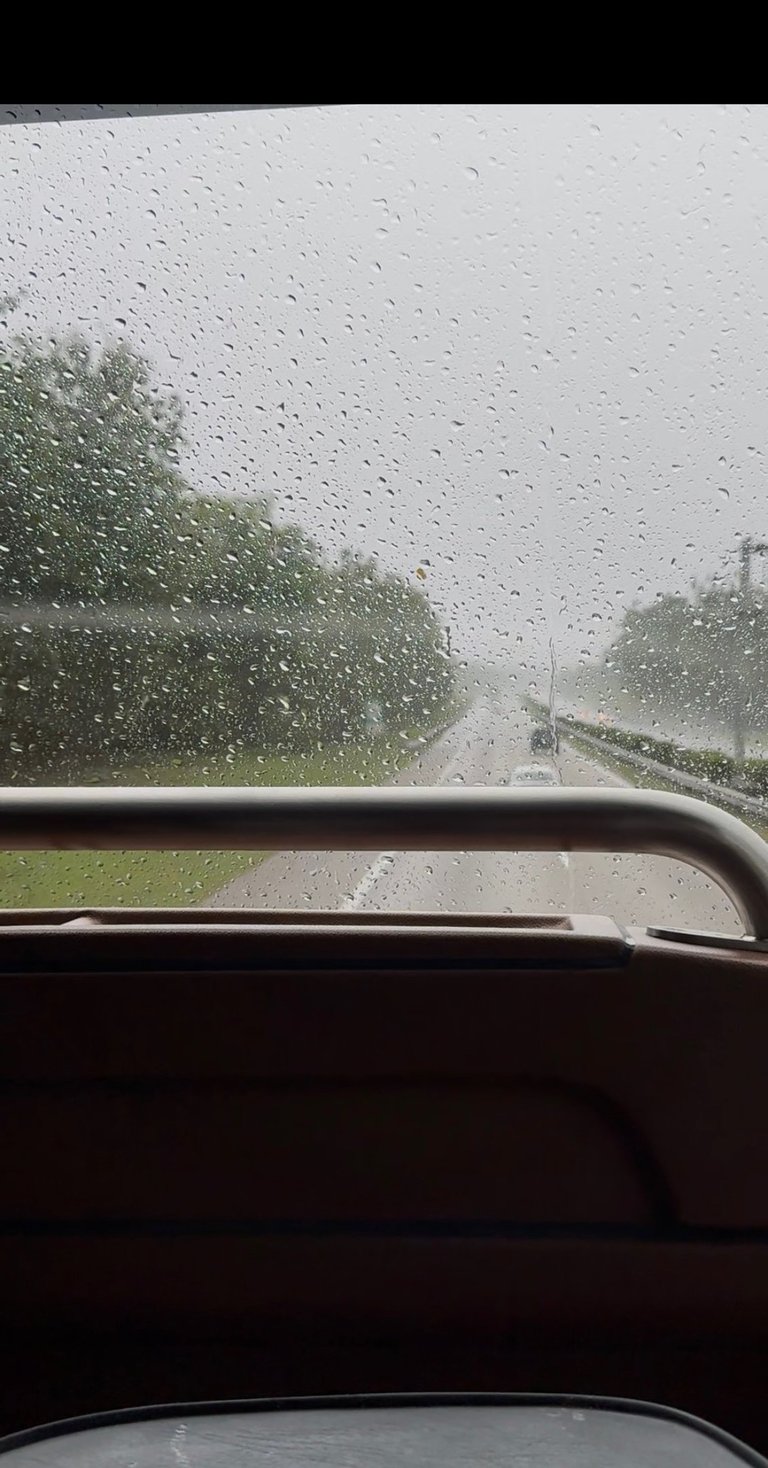
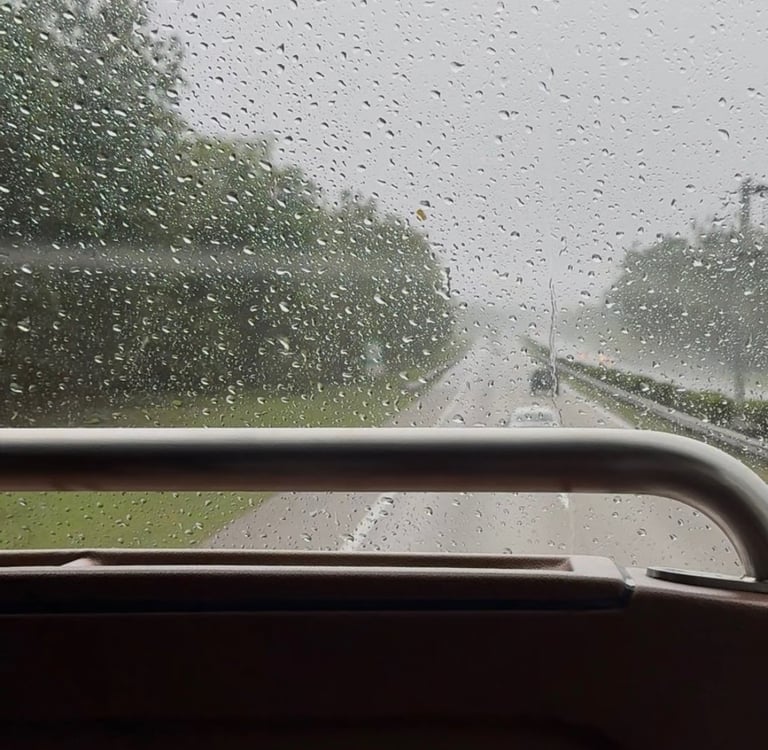
As we approached Kuala Lumpur, rain and traffic slowed our progress, extending the journey slightly beyond the usual travel time. We arrived at Berjaya Times Square, right next to a major shopping mall. From there, it was easy to request a Grab ride to my hotel.
Final Thoughts
Although my journey took closer to six hours instead of the typical five, I still enjoyed the experience and would happily choose this option again. Driving through the countryside offered a glimpse of Malaysia that you simply do not get from the air.
What stood out most was the simplicity. There were no extra fees for seat selection, luggage, or meals. Everything was included, which made the experience feel straightforward and a good value. Factoring in transfers to and from airports, early arrival for check-in, and time at security and baggage claim, flying would have taken roughly the same amount of time.
For travelers who value comfort, affordability, and a more relaxed pace, the bus between Singapore and Kuala Lumpur is well worth considering.
Disclaimer: This article is based solely on my personal experience traveling between Singapore and Kuala Lumpur. I paid for my own ticket and was not sponsored or compensated by Transtar Travel or any other transportation provider.
Check out additional Singapore travel tips and itineraries here.